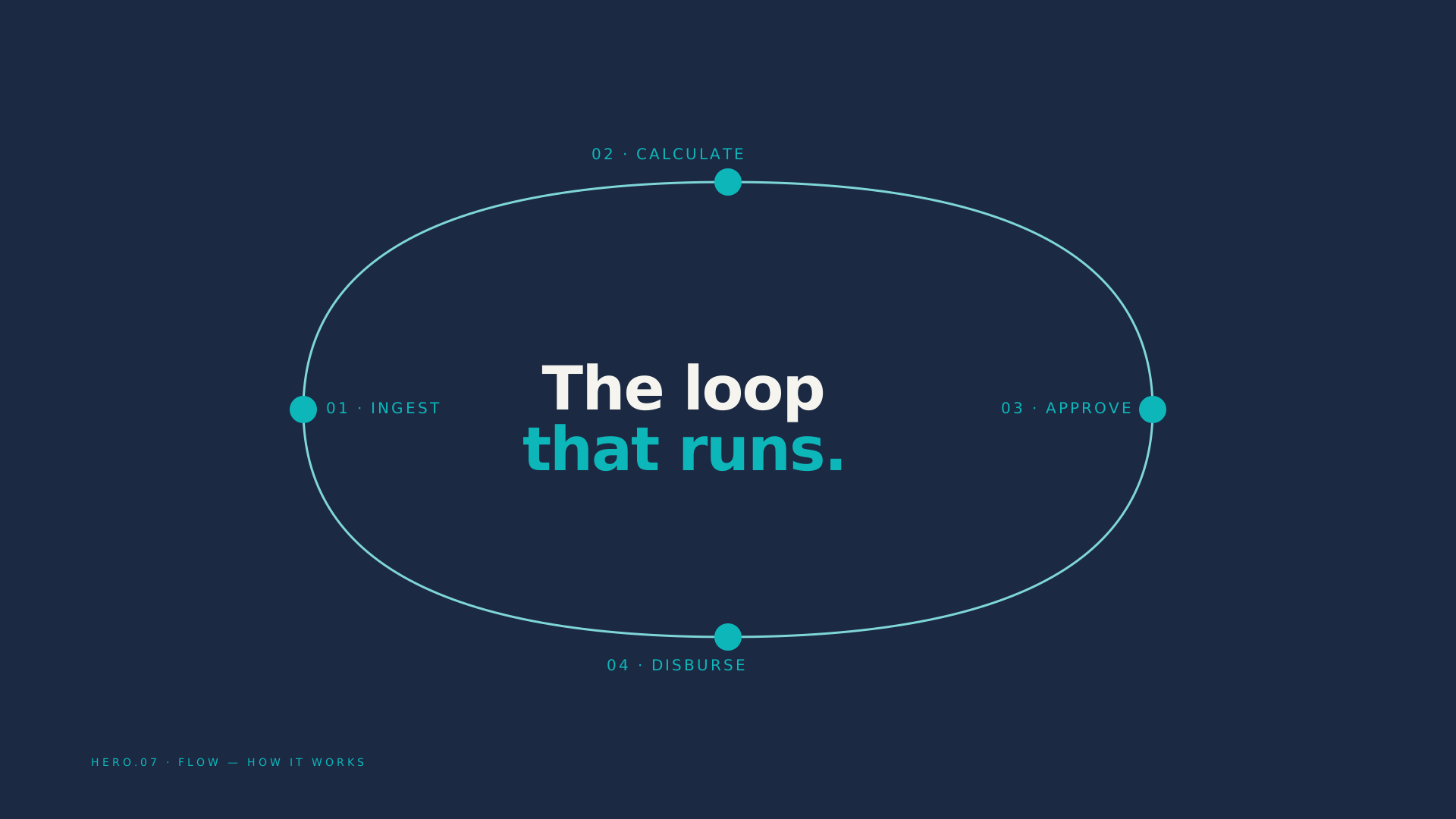
Move from EOR to your own entity when headcount is stable enough to justify local infrastructure, you need a commercial trading presence, or direct control now matters more than speed. The transition should be planned as an operating change, not just a legal step, because contracts, payroll registration, benefits, immigration status, and employee communication all need to move in sequence without creating a gap in employment or pay.
Signs you have outgrown EOR
EOR is usually the right first move when speed, flexibility, and low infrastructure matter most. It stops being the obvious answer when local headcount keeps growing, country leadership needs more autonomy, or the business now needs a direct commercial presence rather than just compliant employment.
The financial trigger also changes over time. At low headcount, EOR is often cheaper than building and maintaining an entity. Once the team becomes durable and broader local operations are planned, direct employment can become more rational even after setup and maintenance cost are included.
The mistake is waiting for a single magic number. There is no universal headcount threshold. The right trigger is the combination of headcount durability, commercial need, control requirements, and the cost of owning local infrastructure.
Build the target operating model before moving people
Before anyone transfers, the new entity needs to be real in operating terms, not just incorporated on paper. That means payroll registration, banking, tax setup, internal approval flows, reporting lines, and local employment documentation need to be ready before the first employee moves.
If the target operating model is half-built, employees become the test case for your unfinished infrastructure. That is how pay errors, contract confusion, and credibility damage happen.
A disciplined transition plan therefore starts with the end state: who employs the workers, how payroll runs, which benefits continue, who signs documents, what the reporting cadence looks like, and how escalation works once the EOR is no longer the legal employer.
Handle employee transfer, contracts and immigration properly
The legal mechanism for transfer differs by country. In some places there may be a transfer concept that preserves continuity. In others, the move is handled through termination and rehire or through a new contract sequence. That means buyers need local advice and provider coordination rather than assuming one global template works everywhere.
Benefits, pensions, accrued leave, and immigration status also need attention. Sponsored workers may need a new sponsoring employer or a formal status change. Private medical cover, bonus plans, or share-plan treatment may also need to be reset or mirrored.
The employee experience matters as much as the legal mechanics. If the business cannot explain what is changing, what is staying the same, and when documents need to be signed, the transition creates unnecessary friction and avoidable attrition risk.
Run the transition with no payroll gap
The operational priority is simple: no employee should miss pay, lose mandatory cover, or fall into an employment gap because the employer structure changed. That requires a tightly sequenced cutover between the EOR payroll and the new entity payroll.
Cutover planning should include payroll cut-off dates, final settlement timing, tax and social registration status, benefit continuation, data handover, and a named owner for each workstream. If those items are left to the last week, the transition becomes a scramble instead of a controlled move.
Good providers support this by helping you plan the transfer early, documenting responsibilities, and confirming the actual cutover steps in writing. That is the difference between a transition and a mess.